
The Allure of Risk in Gambling
Risk-taking is a fundamental aspect of human psychology, and it plays a significant role in the appeal of casino games. The thrill of placing a bet and the potential for significant rewards can create an exhilarating experience. This combination of adrenaline and the prospect of winning money often draws individuals into casinos, where the atmosphere is charged with excitement. To truly understand this phenomenon, you can learn more about the psychology behind gambling.
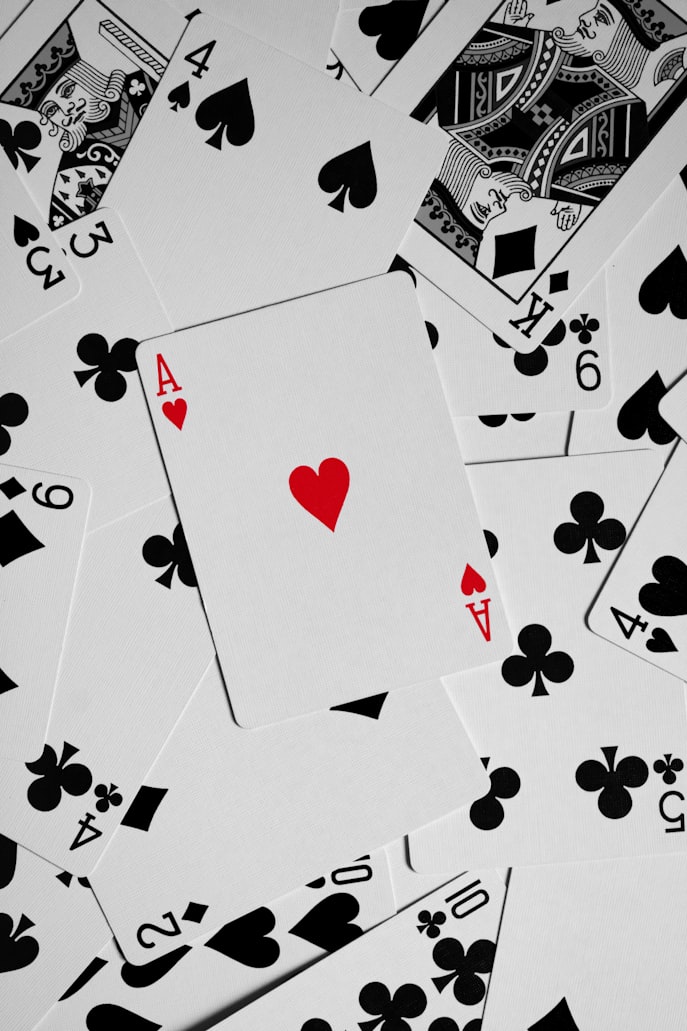
Moreover, the risk factor in gambling provides a unique psychological reward. Players may experience a rush of dopamine, a neurotransmitter associated with pleasure and reward, when they take risks. This biochemical response reinforces their desire to engage in risky behaviors, creating a cycle that can be difficult to break. Understanding this allure can illuminate why many are drawn to games like poker, slots, and roulette, where the stakes can be incredibly high.
The Role of Cognitive Biases
Cognitive biases significantly influence how people approach risk in casino games. One of the most prevalent biases is the illusion of control, where players believe they can influence the outcome of a game, despite it being purely based on chance. This false sense of control can lead to increased risk-taking, as players become more confident in their ability to win.
Another important cognitive bias is the gambler’s fallacy, where individuals mistakenly believe that past outcomes will affect future results. For instance, if a particular number hasn’t come up in roulette for several spins, a player might think it is “due” to appear. Such biases can drive players to take greater risks, often ignoring statistical realities in favor of personal beliefs about luck and chance.
The Impact of Emotions on Betting Behavior
Emotions are powerful drivers of decision-making, particularly in high-stakes environments like casinos. Players may make impulsive decisions when they are excited or frustrated, often leading to increased risk-taking behavior. For instance, a player on a winning streak might feel invincible, prompting them to bet larger sums than they usually would.
Conversely, negative emotions such as sadness or anxiety can also influence betting patterns. In some cases, individuals may gamble as a form of escapism, seeking to alleviate their emotional distress. This can create a dangerous cycle where players continue to take risks in hopes of recouping losses, often leading to further gambling-related issues.
The Influence of Social Dynamics
The social aspect of gambling can exacerbate risk-taking behavior. When individuals are in a group setting, they may feel pressure to conform to the norms of the group, which can lead to riskier bets. This phenomenon is often observed in environments such as casinos, where the social atmosphere is lively and exhilarating.
Additionally, the shared thrill of gambling can create a sense of camaraderie among players, which might encourage them to push their boundaries. The fear of missing out (FOMO) can also come into play, leading individuals to take risks they might avoid when playing alone. Understanding these social dynamics is crucial in comprehending why people engage in risk-taking in casinos.

Enhancing Your Online Casino Experience
As you explore the fascinating world of casino games, it’s essential to understand the psychological aspects of risk-taking. This knowledge can lead to more informed and responsible gambling behaviors. By recognizing the influences of cognitive biases, emotions, and social dynamics, you can develop strategies to mitigate risks and enhance your overall gambling experience.
Our website aims to provide valuable resources and insights into the complexities of casino gaming. Although some pages may currently be restricted, we are dedicated to improving your online experience and helping you navigate this engaging environment safely and effectively. Stay tuned for updates and additional content designed to empower your gambling decisions.

